

Sitkalidak Bison Herd
The Sitkalidak Bison Herd is a community-owned, free-roaming herd managed by the Old Harbor Alliance in partnership with the Alutiiq Tribe of Old Harbor and the Old Harbor Native Corporation. Established in 2017, the herd represents a cornerstone of Old Harbor’s food sovereignty efforts, cultural revitalization, and long-term land stewardship.
Today, approximately 200 bison roam more than 77,000 acres on Sitkalidak Island, just across from the Native Village of Old Harbor. This remote and largely undeveloped landscape provides ideal habitat for a healthy, resilient herd while allowing for responsible, culturally guided management.

A Return to Sustainable Food Systems
The Sitkalidak Bison Herd was established in response to rising food costs, limited access to healthy protein, and growing health concerns in rural Alaska communities. Bison meat is lean, nutrient-dense, and culturally significant, offering a sustainable alternative to expensive, imported foods.
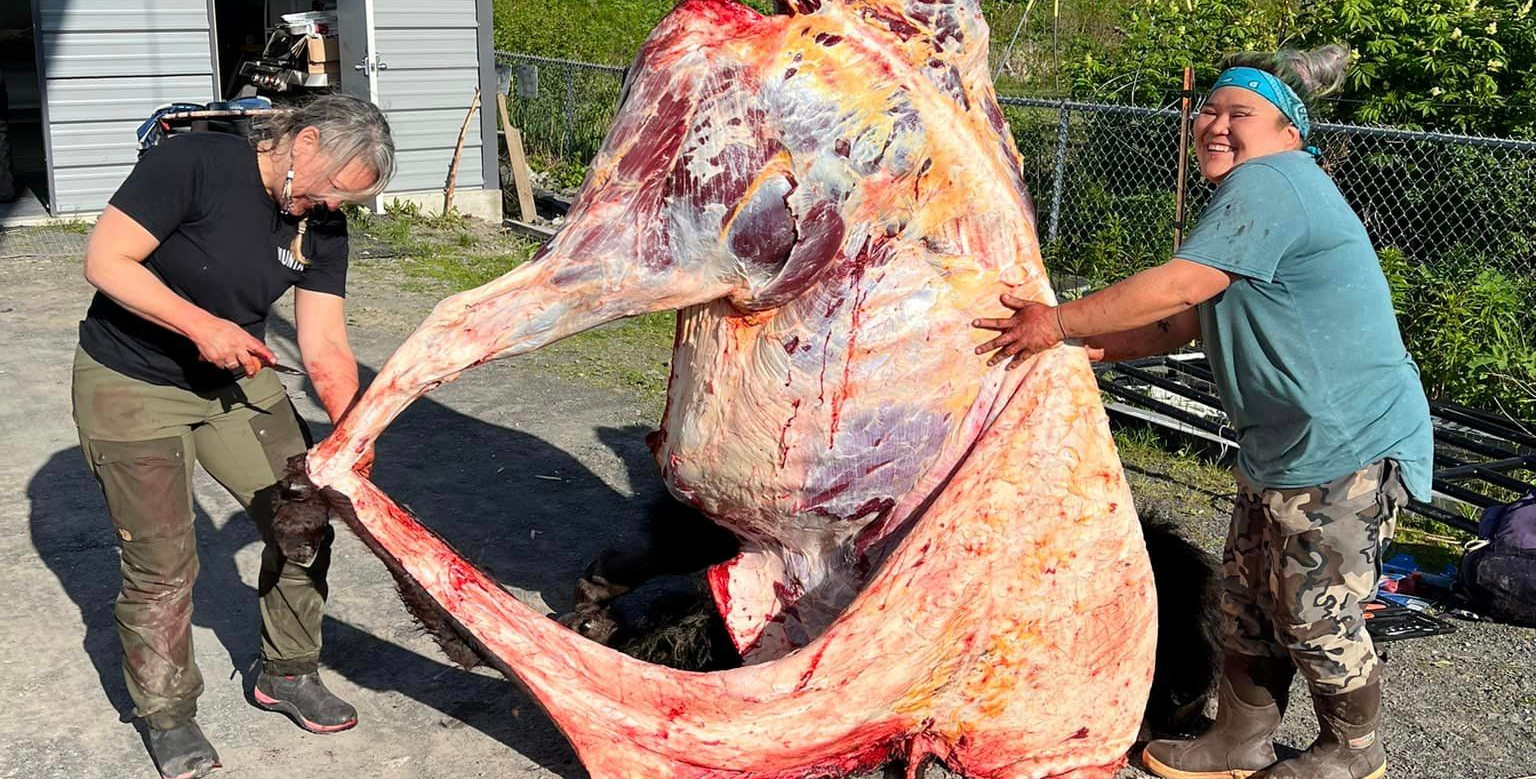
The herd supports a tiered harvest system that prioritizes:
-
Tier I - Cultural and community harvests
-
Tier II - Alliance member draw harvests
-
Tier II - Limited commercial hunts, when surplus allows
This approach ensures the herd directly benefits the community while remaining ecologically balanced and financially sustainable over time.

Cultural & Historical Significance
Bison hold deep cultural and spiritual meaning for Indigenous peoples. For the Alutiiq people of Old Harbor, the presence of bison on Sitkalidak Island represents both renewal and healing. Sitkalidak is a place of profound historical significance, including Refuge Rock (Awa’uq), the site of the 1784 massacre of Alutiiq people.
Through respectful stewardship of the bison and the land, the community is restoring balance, honoring ancestors, and strengthening cultural connections for future generations.
Stewardiship & Ecological Restoration
Bison play a vital role in regenerative land management. Their natural grazing patterns stimulate plant growth, improve soil health, distribute nutrients through manure, and help restore native vegetation that was diminished through past land disturbance.
The herd is actively managed using a combination of:
-
Scientific monitoring and data collection
-
Traditional Ecological Knowledge shared by Elders
-
Guidance from wildlife biologists and conservation partners
The long-term goal is to maintain a healthy herd of approximately 400 animals—large enough to support ongoing harvests while preventing overgrazing and protecting biodiversity.


Responsible Herd Management
Managing a free-ranging herd in remote, rugged terrain presents significant challenges. To ensure humane treatment, herd health, and safe harvest practices, the Old Harbor Alliance is working to advance infrastructure and training that supports:
-
Veterinary care and genetic monitoring
-
Sex and age composition tracking
-
Humane, selective harvest
-
Youth and community training in safety, processing, and stewardship
Elders and youth are intentionally involved in monitoring, harvesting, and education efforts to ensure knowledge is passed on across generations.
A Community-Led Future
The Sitkalidak Bison Herd is more than a food source—it is a living expression of self-determination, resilience, and responsibility to land and community. Through collaboration, careful management, and cultural guidance, the herd will continue to strengthen food security, restore ecosystems, and support the well-being of Old Harbor for generations to come.
Food Sovereignty and Health
Our goal is simple and deeply rooted in community values: to fill the freezers of our members with healthy, nutrient-dense food. This program serves a dual purpose. It increases access to high-quality protein that supports community health and helps address diet-related illnesses such as diabetes, while also providing hands-on learning opportunities for our youth.
When students participate in harvesting and processing bison for community distribution, Elders, and cultural camps, they are learning responsibility, respect for the animal, and the skills needed to sustain our people. These experiences go beyond food—they strengthen cultural knowledge, self-reliance, and the next generation of food system leaders.
Genetics & Stewardship
A healthy herd requires strong genetics. We are proud to partner with the InterTribal Buffalo Council (ITBC), who donated Yellowstone bison to introduce vital new genetics to Sitkalidak. These animals carry the lineage of the original survivors, ensuring our herd remains robust and resilient.


We also work closely with the Cabela Family Foundation and the International Order of T. Roosevelt on critical management projects, including collaring and tracking. Their support allows us to monitor the herd’s movement and health across the rugged terrain of the island.
Recent News

